Debt Consolidation With Bad Credit: What to Compare Before Applying
A low score does not tell the whole story, but neither does steady income. Focus on actual eligibility, full costs, and the risks of securing unsecured debt.
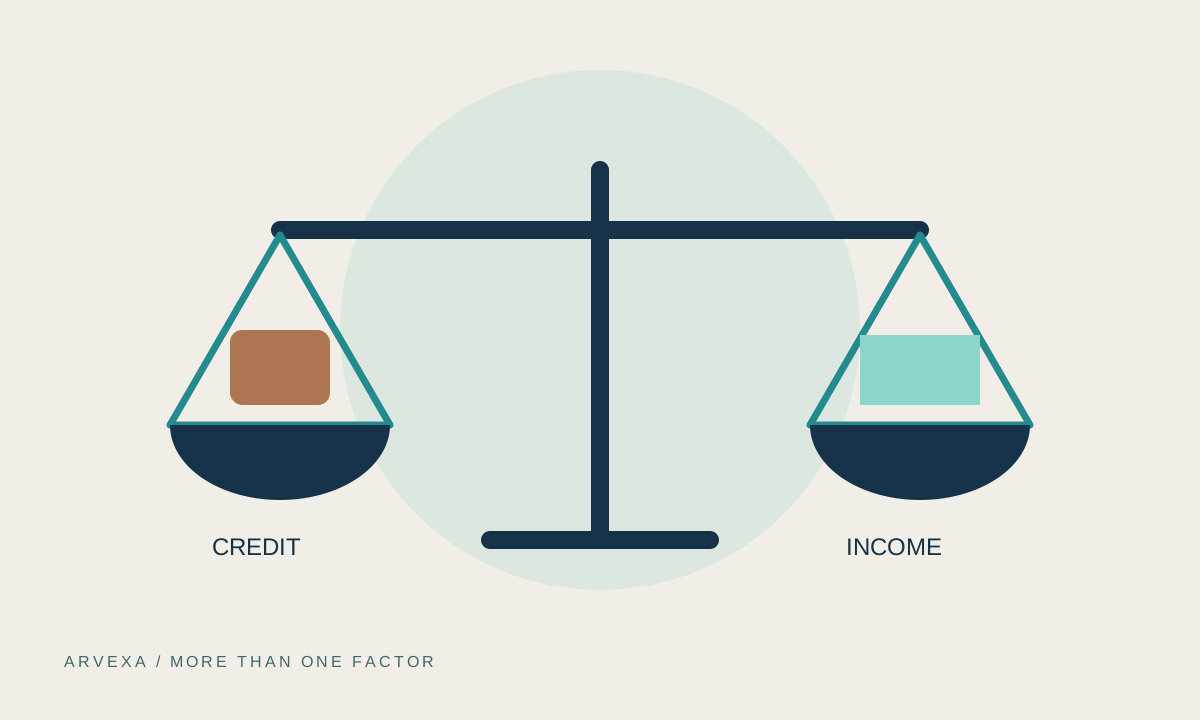
What to take away
- Income-based review does not mean lenders ignore credit or guarantee approval.
- Compare net proceeds, APR, fees, and total cost rather than approval alone.
- Putting a home or vehicle at risk changes the nature of a consolidation decision.
Debt consolidation with bad credit is a question about both access and usefulness. A lender might decline a request, offer terms that do not improve your position, or find a workable match. None of those outcomes can be predicted from a credit-score label alone. A useful offer must do more than approve a new account: it needs to fit your budget and make sense after costs.
What lenders may look at besides a score
Lenders may consider income, employment, existing obligations, payment history, requested amount, and residence as well as credit. Each provider sets its own criteria. An income-based review does not erase delinquencies, high debt payments, or a history of missed obligations. Do not rely on a claim that anyone with a paycheck qualifies.
Review your credit reports for errors before applying when practical. Correcting inaccurate information is different from paying someone to remove accurate negative history. Be cautious about repeated applications: checking options may use a soft inquiry, but submitting a full application with a lender may involve a hard inquiry.