Arvexa Financial
AboutLoan OptionsDebt ReliefHow It WorksFinance EducationBlogFAQ
(888) 901-6908OFFICE OPENMon-Fri, 8 AM-5 PM Pacific Time
Review My Options
The Arvexa Journal
Loans & borrowing

Debt-to-Income Ratio for a Personal Loan: How to Calculate It

DTI compares required debt payments with income before deductions. It is useful for lender review, but it is not your complete household budget.
Arvexa Financial Editorial Team
Published October 25, 20263 min readChecking reading status...
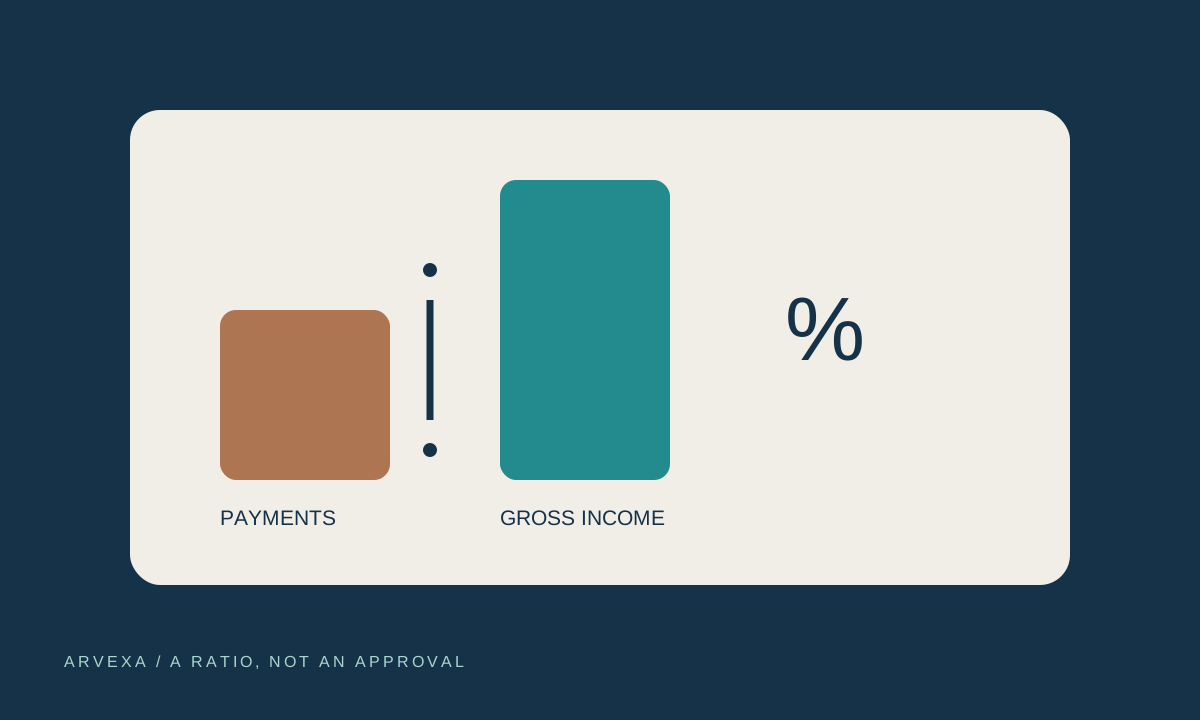
Monthly debt and income columns connected to a percentage calculation.
DTI is a ratio of payments to income, not total balances to income.

In this article

  1. Calculate a working estimate
  2. Confirm what the lender includes
  3. DTI is not the same as affordability
Your next step, on your terms.

Explore loan options without affecting your credit score.

Check My Options
The short version

What to take away

  • DTI generally uses monthly debt payments divided by gross monthly income.
  • Lenders and products have different limits and income-verification rules.
  • An acceptable DTI does not prove that a payment fits your take-home budget.

Debt-to-income ratio, usually shortened to DTI, compares monthly debt payments with gross monthly income. Lenders use it as one measure of repayment capacity. It is not a credit score, and it does not measure how much debt you owe in total. A large balance with a small required payment and a smaller balance with a large payment can affect the calculation differently.

Calculate a working estimate

Add the monthly debt obligations that apply under the lender's rules, then divide by gross monthly income and multiply by 100. For example, $1,500 in monthly debt payments divided by $5,000 in gross monthly income equals 30%. This is a hypothetical example, not a qualifying threshold or an indication that a particular lender will approve you.

Use income before taxes and deductions for the basic calculation, not the deposit amount on a paycheck. If you are paid biweekly, there are generally 26 pay periods in a year; multiplying one paycheck by two can understate average monthly income. Variable, self-employed, seasonal, or benefit income may need a different documented treatment. Ask the lender rather than selecting the most favorable month.
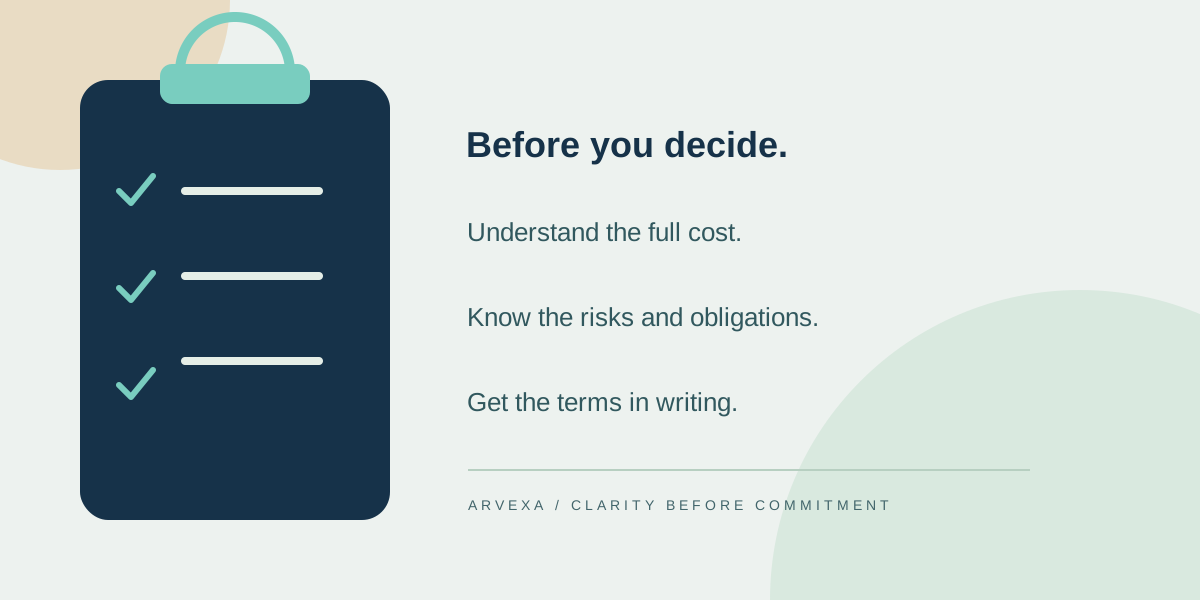
A three-point decision checklist: understand the full cost, know the risks and obligations, and get the terms in writing.
A useful checkpoint for any financial decision, no matter which path you explore.

Confirm what the lender includes

Credit-card minimums, installment loans, and housing-related obligations may affect the calculation, but the lender determines how each item is counted. Do not count the same obligation twice or assume a disputed debt can be ignored. A consolidation lender may have specific rules for debts it expects to pay off and for the proposed new payment.

  • Use current statements for required payments rather than guessing from balances.
  • Ask which income sources can be documented and how variable income is averaged.
  • Clarify how jointly held debts, co-signed obligations, and proposed payoffs are treated.
  • Review the calculation again if the requested loan amount or term changes.

DTI is not the same as affordability

Gross income is not what you have left after taxes. Childcare, food, utilities, insurance, and irregular expenses can consume money without appearing in a simple debt ratio. A lender's acceptable DTI may therefore be more than your household can comfortably carry. Build a separate take-home budget before committing.

There is no universal personal-loan DTI cutoff that Arvexa can promise. Credit, income stability, provider criteria, and other information also matter. If the ratio is high, accurate balances and realistic payment changes are more useful than taking on expensive credit just to change the appearance of the calculation.

Disclosure: Educational calculation only, not underwriting guidance for a particular lender or a promise of qualification. Arvexa is not a lender and does not set DTI limits or make credit decisions.

Sources & further reading

  • CFPB: calculating debt-to-income ratio

Checking your reading status...

Marked read when you reach this ending. Saved only in this browser, with no login. Clearing site data removes your reading history. Marking unread keeps it unread for the rest of this visit.
Clarity is a good place to start

Let’s talk about your next move.

Explore personal loan options or ask questions about debt relief. Checking loan options uses a soft credit inquiry. There is no obligation to proceed.

Review My Options (888) 901-6908

Educational information, not individualized financial, legal, or tax advice. Arvexa is not a lender. Approval, savings, and outcomes are not guaranteed.

Keep the clarity going

All articles
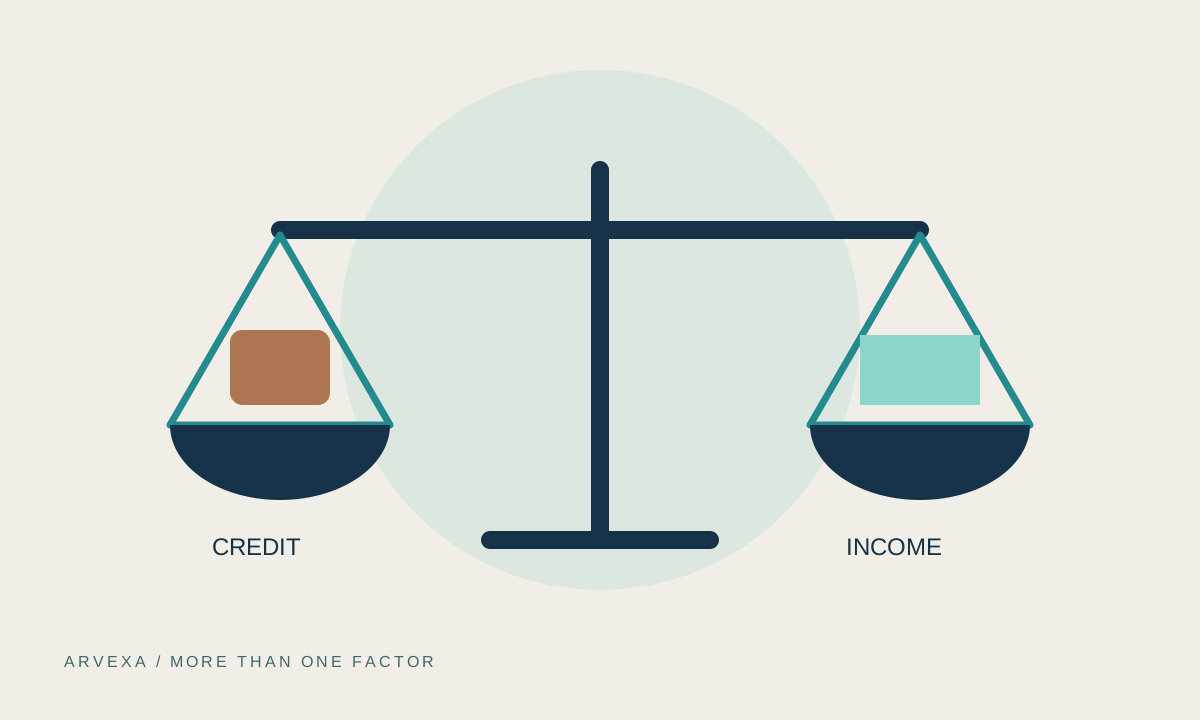
  • A balance weighing credit history, income, and repayment costs without an approval prediction.
    Loans & borrowing

    Debt Consolidation With Bad Credit: What to Compare Before Applying

    A low score does not tell the whole story, but neither does steady income. Focus on actual eligibility, full costs, and the risks of securing unsecured debt.

    Published October 25, 20263 min readChecking reading status...
  • An identity card and income statement entering a verified secure document folder.
    Loans & borrowing

    Personal Loan Verification: Documents to Prepare and How to Share Safely

    There is no universal document checklist for every lender. Prepare common information, then follow the verified provider's exact instructions.

    Published October 25, 20263 min readChecking reading status...
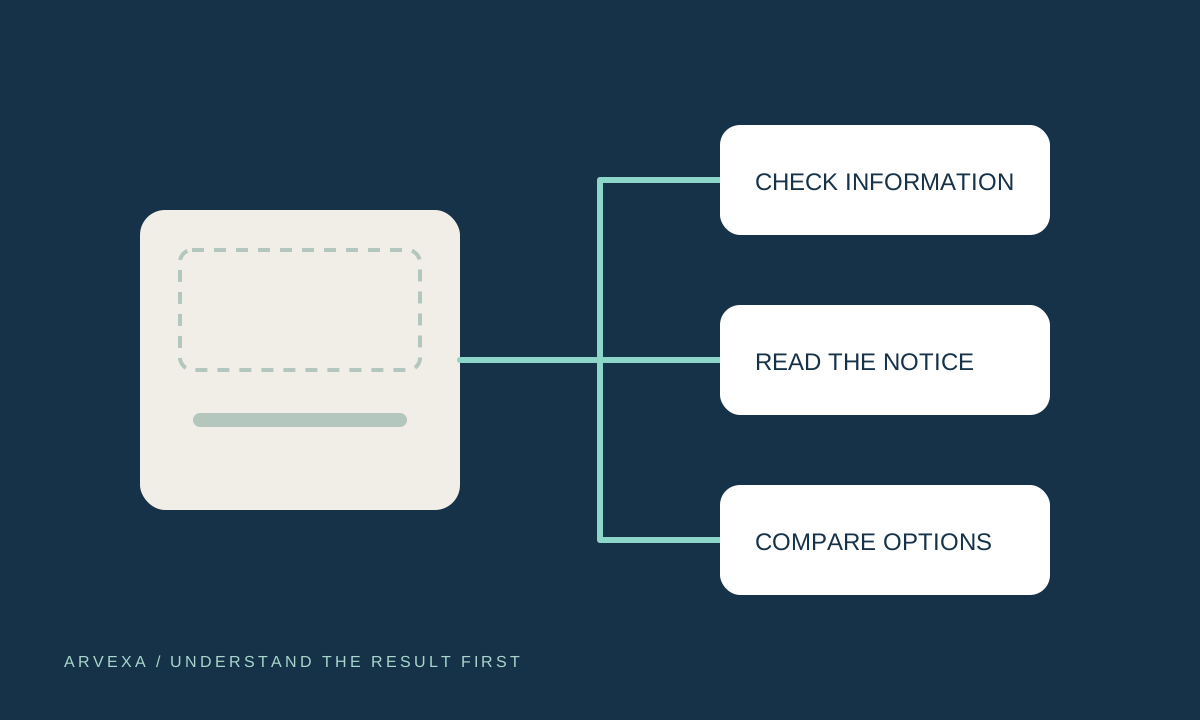
  • An empty offer panel connected to information review, provider notice, and alternative paths.
    Loans & borrowing

    No Personal Loan Offers? What That Means and What to Do Next

    An empty results screen is not a diagnosis of your finances. First identify whether you received a marketplace result or a formal lender decision.

    Published October 25, 20263 min readChecking reading status...
Arvexa Financial

Arvexa Financial helps everyday people find the right financial path, from personal loan offers to debt relief and money education, with clear guidance, professional support, and a straightforward first step.

Your Choice, Always: Comparing loan offers or reviewing other options never obligates you. We do not pressure any specific outcome. Any action is solely the customer's independent decision.

Partnered with ACDR-Accredited Debt Relief Providers

Arvexa agent certificationAll agents OCCAM CFHA certifiedConsumer Financial Hardship Advocate
(888) 901-6908

Explore

  • About
  • Loan Options
  • Debt Relief
  • How It Works
  • Finance Education
  • Blog
  • FAQ

Legal

  • Privacy Policy
  • Your California Privacy Choices
  • Terms
  • Disclosures
  • Do Not Sell or Share My Personal Information / Your Privacy Choices

Loan marketplace powered by Engine by MoneyLion (ML Enterprise Inc., formerly Even Financial), NMLS #1475872. Arvexa Financial and Engine are not lenders. Participating lenders make credit decisions and set final loan rates and terms.

Arvexa Financial is not a lender, law firm, or tax advisor. We are a consumer-focused financial marketplace that connects people with personal loan offers, debt relief options, and educational resources with clarity and integrity. Loan offers, approval, rates, and terms are determined by participating lenders. Independent third-party debt relief providers may offer services if a customer separately chooses to proceed. Outcomes vary, and debt resolution programs are not available in all states.

© 2026-2027 Arvexa Financial LLC & AuraLogic Solutions. All rights reserved.