Debt Relief Scams: Warning Signs and Questions Worth Asking
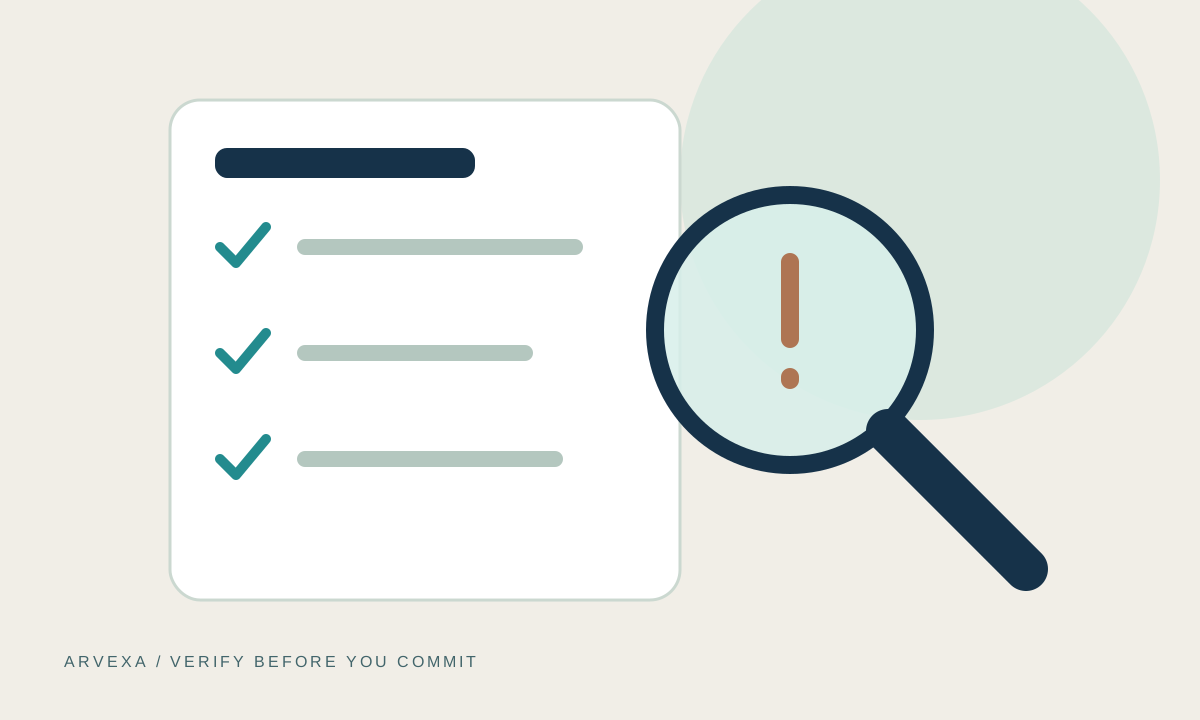
A promise to erase debt can be expensive to believe. Use a practical verification checklist before sharing information or enrolling with any company.
What to take away
- Guaranteed forgiveness and claims of a special government credit-card bailout are warning signs.
- Ask when fees are earned, who holds deposits, and what happens if creditors refuse.
- Apply the same verification standards to Arvexa as to any other company.
Debt relief scams often begin with something a stressed borrower wants to hear: a guaranteed reduction, a secret government program, or an urgent deadline. The offer may arrive by text, mail, social media, or phone. None of those channels proves legitimacy. The important question is what the business is promising, what it wants from you, and whether you can independently verify its role.
Red flags that deserve a pause
The CFPB warns against companies that guarantee debt will disappear, promise a specific reduction, claim a new government program will bail out personal credit-card debt, or say they can stop every collection call and lawsuit. A provider cannot control every creditor. An accredited provider is not a government agency, and accreditation is not insurance against losses.
Be especially cautious about demands for settlement-service fees before results. For debt relief services covered by the FTC's Telemarketing Sales Rule, collecting a fee requires a qualifying debt resolution, your agreement, and at least one payment under that agreement. Ask the provider to explain its fee trigger in writing. A deposit into a consumer-owned account and a fee paid to the provider are different things; both still need transparent terms.