Arvexa Financial
AboutLoan OptionsDebt ReliefHow It WorksFinance EducationBlogFAQ
(888) 901-6908OFFICE OPENMon-Fri, 8 AM-5 PM Pacific Time
Review My Options
The Arvexa Journal
Savings & debt planning

Emergency Fund or Pay Off Debt? How to Think About Both

Sending every spare dollar to debt can feel productive—until the next surprise bill. A practical framework helps you weigh interest costs against financial breathing room.

Arvexa Financial Editorial Team
Published October 25, 20264 min readChecking reading status...
Two jars balanced on a scale, representing emergency reserves alongside debt repayment.
Debt balances and available cash tell different parts of the same financial story.

In this article

  1. Start with essentials and required payments
  2. Give a small reserve a specific job
  3. Compare the tradeoff instead of chasing a perfect split
  4. Using the reserve is not failure
Your next step, on your terms.

Explore loan options without affecting your credit score.

Check My Options
The short version

What to take away

  • Protect essentials and required payments before allocating extra money.
  • Even a modest reserve can reduce the need to borrow again after a surprise expense.
  • Compare interest costs, income stability, and likely emergencies rather than following a universal split.

Should you build savings or pay off debt first? It sounds like a choice between two responsible actions. In practice, the better question is what will make the next month more manageable without creating avoidable costs later. Interest matters, but so does having cash when a tire fails, a prescription changes, or a paycheck arrives late. A plan that ignores either side can be difficult to sustain.

Start with essentials and required payments

Before deciding where extra money goes, check whether it is actually extra. Housing, utilities, food, transportation, insurance, and required debt payments all affect your ability to keep a plan working. Include bills that do not arrive every month. An annual renewal is not an emergency merely because it was missing from the budget.

If essentials or required payments do not fit, the first task is understanding the shortfall—not choosing an ambitious savings percentage. Contact verified creditors or service providers about available assistance before assuming another loan is the only option. Do not skip a required payment just because an online rule says to save first.
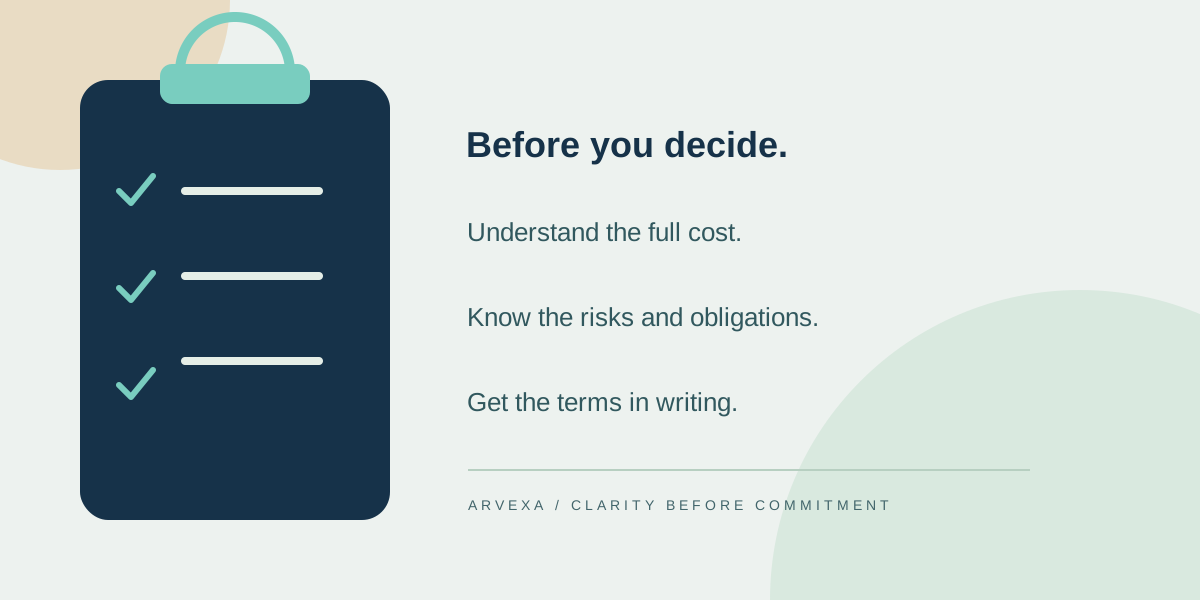
A three-point decision checklist: understand the full cost, know the risks and obligations, and get the terms in writing.
A useful checkpoint for any financial decision, no matter which path you explore.

Give a small reserve a specific job

The CFPB describes an emergency fund as a cash reserve for unplanned expenses or financial emergencies. Its guidance emphasizes that the appropriate amount depends on your circumstances and that even a small amount can provide security. Think about the kinds of setbacks that have previously caused you to borrow, rather than starting with a target so large that saving feels pointless.

A starter reserve might address part of a likely repair or a short interruption in pay. Keep emergency savings accessible and separate from money already committed to bills. Review account fees, withdrawal access, and applicable deposit protection. An emergency fund is not the place to depend on speculative investments being worth a particular amount when you need them.

Compare the tradeoff instead of chasing a perfect split

High-cost debt can consume money that would otherwise support your goals. Extra principal payments may reduce interest, depending on the agreement and how payments are applied. At the same time, sending every available dollar to a balance may leave you using the card again for the next surprise. Income reliability, household responsibilities, interest rates, and access to assistance can change the balance.

Consider a fictional household with $120 left after essential bills and required payments. It might compare putting all $120 toward debt with setting aside $40 and paying $80 extra. Neither split is a recommendation. The exercise is to identify the interest tradeoff and whether either option leaves enough cash for foreseeable needs. If the original $120 estimate forgot an upcoming insurance bill, the comparison needs to be rebuilt.

  • List essential expenses, required payments, and upcoming irregular bills.
  • Review current accessible reserves and the likely cost of common surprises.
  • Compare the rates and terms of debts before choosing an extra-payment priority.
  • Set an affordable contribution or payment plan, then review it when income or expenses change.

Using the reserve is not failure

If a genuine emergency uses the money, the reserve performed its job. Revisit your budget, check whether extra debt payments should temporarily change, and rebuild at a pace that fits. A plan is a repeatable process, not a test of willpower. Be cautious about anyone promising that one product, one score increase, or one debt program will remove the need for financial preparation.

Arvexa Financial offers general education and connects consumers with independent financial-service providers. Arvexa is not a lender, investment adviser, or settlement administrator, and it does not guarantee approval, savings, or outcomes. You can explore our free emergency-reserve and credit-card payoff courses without applying for a product or sharing banking information.

Disclosure: General educational information, not personalized financial, legal, tax, or investment advice. Examples are hypothetical and do not prescribe a savings target or debt-payment allocation. Product terms, assistance options, and individual circumstances vary.

Sources & further reading

  • CFPB: an essential guide to building an emergency fund
  • CFPB: Your Money, Your Goals toolkit
  • Arvexa: emergency reserve course
  • Arvexa: credit-card payoff course

Checking your reading status...

Marked read when you reach this ending. Saved only in this browser, with no login. Clearing site data removes your reading history. Marking unread keeps it unread for the rest of this visit.
Clarity is a good place to start

Let’s talk about your next move.

Explore personal loan options or ask questions about debt relief. Checking loan options uses a soft credit inquiry. There is no obligation to proceed.

Review My Options (888) 901-6908

Educational information, not individualized financial, legal, or tax advice. Arvexa is not a lender. Approval, savings, and outcomes are not guaranteed.

Keep the clarity going

All articles
  • A magnifying glass examining a financial offer beside a checklist of questions.
    Scams & consumer protection

    Debt Relief Scams: Warning Signs and Questions Worth Asking

    A promise to erase debt can be expensive to believe. Use a practical verification checklist before sharing information or enrolling with any company.

    Published October 25, 20263 min readChecking reading status...
  • A phone message separated from a verified website by a protective shield.
    Scams & consumer protection

    Personal Loan Scams: How to Check an Offer Before You Share or Pay

    A familiar name on a message does not make a loan real. Separate legitimate application steps from requests designed to steal money or account access.

    Published October 25, 20263 min readChecking reading status...
  • Two conversation bubbles above a payment calendar and a manageable budget.
    Managing payments

    Can't Pay Your Credit Card? Ask About a Hardship Program

    Your card issuer may have options before you consider a new loan or settlement. Here is how to prepare for that conversation.

    Published October 25, 20263 min readChecking reading status...
Arvexa Financial

Arvexa Financial helps everyday people find the right financial path, from personal loan offers to debt relief and money education, with clear guidance, professional support, and a straightforward first step.

Your Choice, Always: Comparing loan offers or reviewing other options never obligates you. We do not pressure any specific outcome. Any action is solely the customer's independent decision.

Partnered with ACDR-Accredited Debt Relief Providers

Arvexa agent certificationAll agents OCCAM CFHA certifiedConsumer Financial Hardship Advocate
(888) 901-6908

Explore

  • About
  • Loan Options
  • Debt Relief
  • How It Works
  • Finance Education
  • Blog
  • FAQ

Legal

  • Privacy Policy
  • Your California Privacy Choices
  • Terms
  • Disclosures
  • Do Not Sell or Share My Personal Information / Your Privacy Choices

Loan marketplace powered by Engine by MoneyLion (ML Enterprise Inc., formerly Even Financial), NMLS #1475872. Arvexa Financial and Engine are not lenders. Participating lenders make credit decisions and set final loan rates and terms.

Arvexa Financial is not a lender, law firm, or tax advisor. We are a consumer-focused financial marketplace that connects people with personal loan offers, debt relief options, and educational resources with clarity and integrity. Loan offers, approval, rates, and terms are determined by participating lenders. Independent third-party debt relief providers may offer services if a customer separately chooses to proceed. Outcomes vary, and debt resolution programs are not available in all states.

© 2026-2027 Arvexa Financial LLC & AuraLogic Solutions. All rights reserved.