How Do You Know You're Making Progress When You Still Have Debt?
Your balance may not be zero yet, but there are clear signs you are moving in the right direction. Here are five ways to measure real progress on debt.
What to take away
- Track total debt monthly and judge the three-month trend, not a single month.
- Watch how much of each payment goes to principal instead of interest.
- Credit score is a lagging signal, so also measure utilization, accounts paid off, and your cash buffer.
Debt can feel like standing still even when you are moving forward. These five checks show whether your effort is working, even when the balance still looks big.
1. Total balance, tracked once a month
Add up all your debts on the same day each month. The total should trend down over time, even if slowly. A single month can bounce because of new charges, so look at the trend over three months.
2. Interest paid versus principal paid
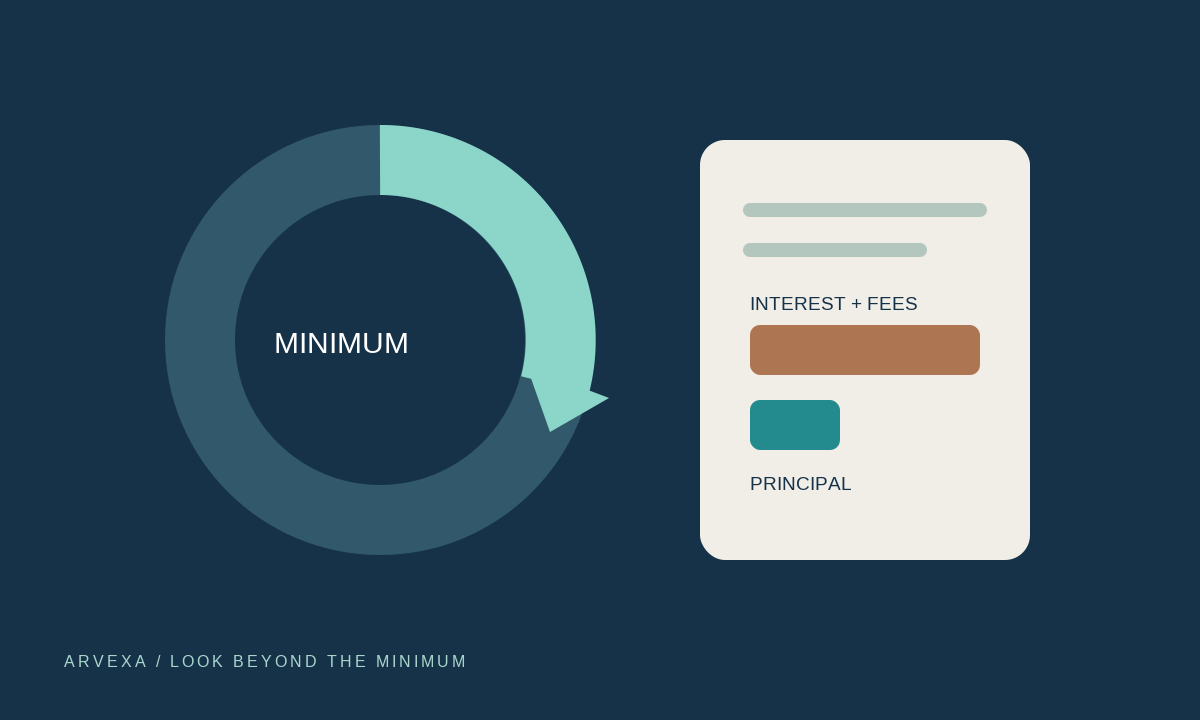
Your statement shows how much of your payment went to interest and how much reduced the balance. Over time, more of each payment should go to principal.
3. Credit utilization
Utilization is how much of your card limits you are using. Lower balances compared with limits usually help your credit score over time.
4. Accounts paid off
Paying a whole card to zero is a real milestone. Count it, and keep the account open if it has no fee, since closing it can raise your utilization.
5. Your cash buffer
Even a small emergency fund means a surprise bill does not go back on a credit card. Building a buffer while paying debt is progress too.
Do not judge by your credit score alone
Scores can lag behind your effort or dip for reasons unrelated to your payments, such as applying for new credit. Use the balance, interest, and buffer numbers as your main scoreboard.
A five-minute monthly check-in
- Total debt today versus last month
- Total interest paid this month
- Highest and lowest APR you are carrying
- Cash buffer
- Number of accounts at zero
If the numbers are not moving
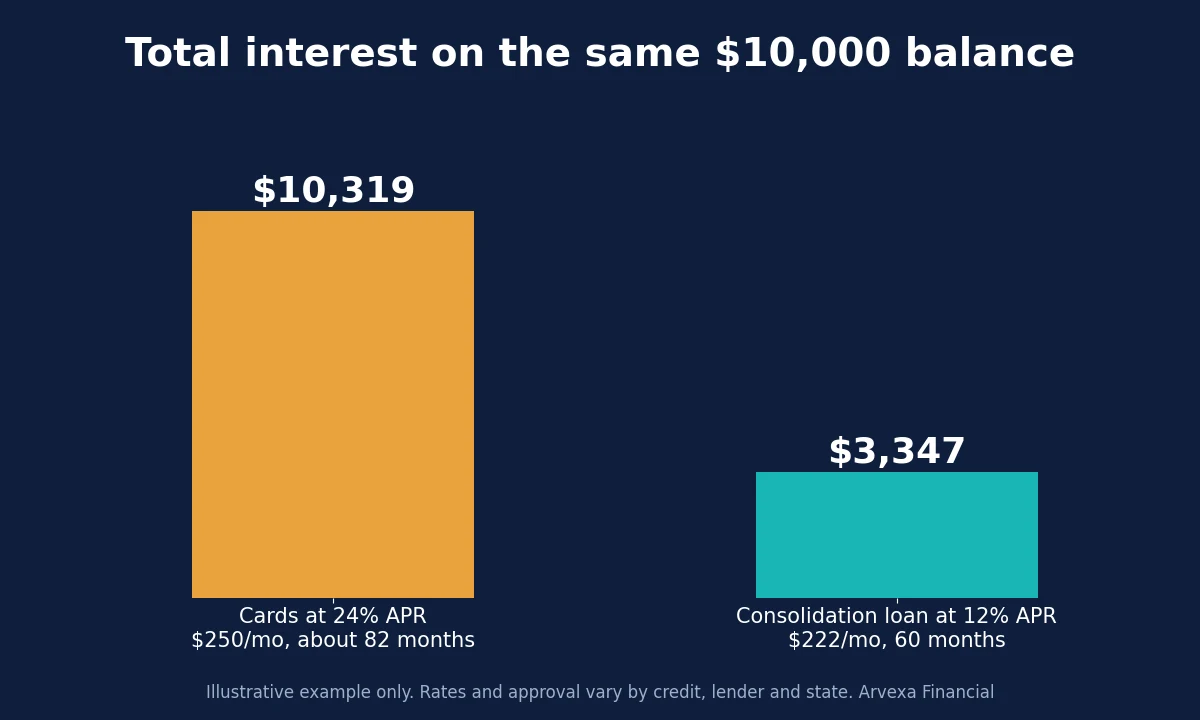
It may be time to lower your interest or restructure. Compare a payoff method such as snowball or avalanche, a hardship request, or consolidation, and make sure the new payment fits your budget.
Sources & further reading
Checking your reading status...
Marked read when you reach this ending. Saved only in this browser, with no login. Clearing site data removes your reading history. Marking unread keeps it unread for the rest of this visit.