Arvexa Financial
AboutLoan OptionsDebt ReliefHow It WorksFinance EducationBlogFAQ
(888) 901-6908OFFICE OPENMon-Fri, 8 AM-5 PM Pacific Time
Review My Options
The Arvexa Journal
Managing payments

Medical Bills You Can't Afford: Check Assistance Before Borrowing

Before converting a medical bill into new borrowing, ask whether the amount is correct and whether the provider offers financial assistance.
Arvexa Financial Editorial Team
Published October 25, 20263 min readChecking reading status...
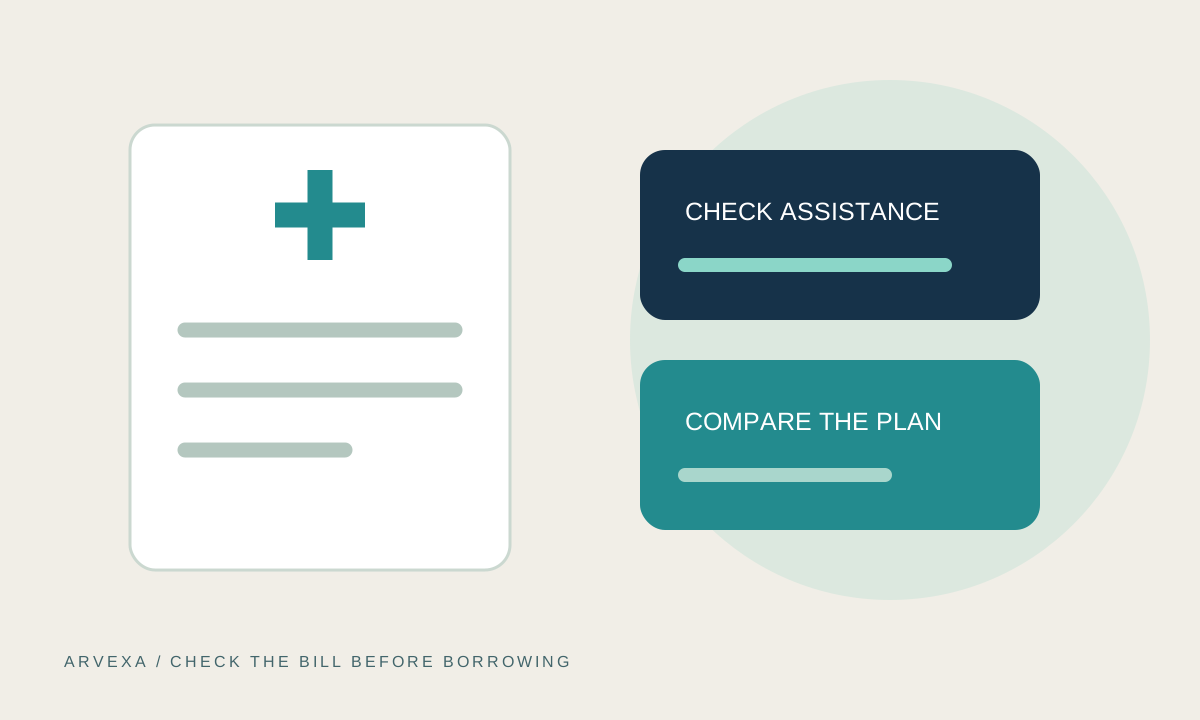
An itemized medical bill beside assistance paperwork and a payment-plan calendar.
Check the bill and available assistance before replacing it with a new credit obligation.

In this article

  1. Start with the itemized bill and insurance explanation
  2. Ask for the written financial assistance policy
  3. Compare financing only after checking those options
Your next step, on your terms.

Explore loan options without affecting your credit score.

Check My Options
The short version

What to take away

  • Compare the bill with insurance records and ask about unclear charges.
  • Tax-exempt hospitals must maintain financial assistance policies for covered care.
  • A third-party loan can have different costs and protections from a provider arrangement.

A large medical bill can create urgency to put the amount on a credit card or borrow immediately. Before doing that, check whether the balance is correct and whether assistance applies. Moving a bill to a new lender may change the cost and the party you owe. It does not automatically resolve billing errors or preserve every option available directly from the medical provider.

Start with the itemized bill and insurance explanation

Request an itemized bill and compare it with any insurer explanation of benefits. That explanation is not itself a bill. Look for duplicate charges, services you do not recognize, payments that are missing, or insurance processing that is still incomplete. Ask the billing office and insurer to explain discrepancies before accepting a new financing arrangement.

Keep a record of whom you contacted and what remains under review. Ask whether the account can be held from further collection activity while the issue is reviewed; do not assume such a hold exists unless confirmed. A dispute or assistance application does not automatically eliminate every deadline.
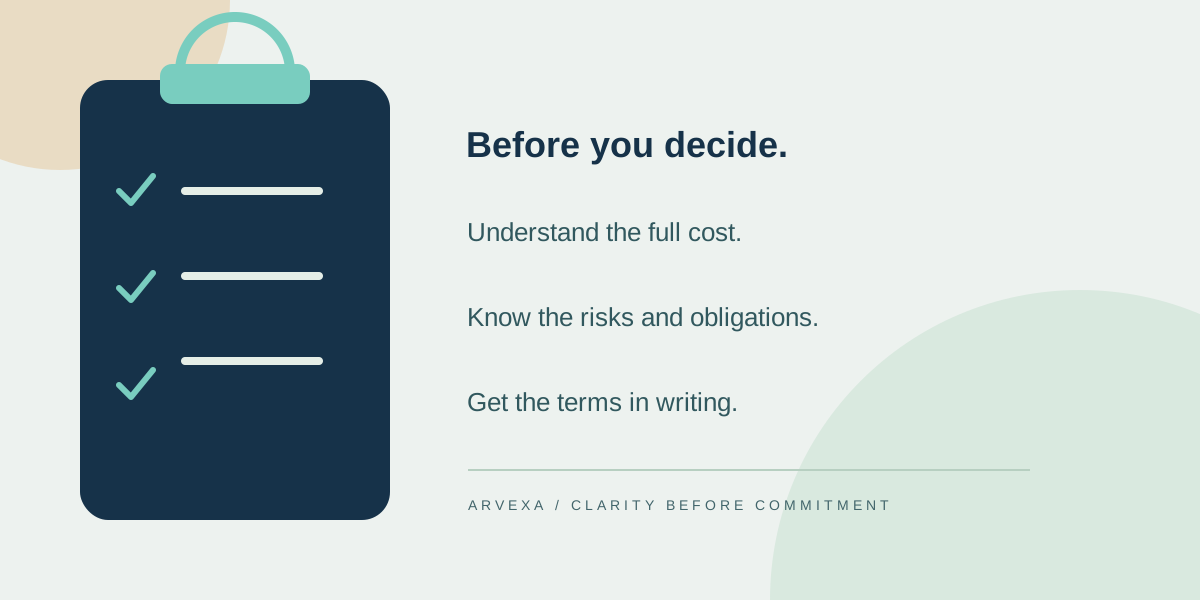
A three-point decision checklist: understand the full cost, know the risks and obligations, and get the terms in writing.
A useful checkpoint for any financial decision, no matter which path you explore.

Ask for the written financial assistance policy

The IRS requires hospital facilities operated by tax-exempt hospital organizations to maintain written financial assistance policies for covered emergency and other medically necessary care. The policy must describe eligibility and how to apply. That does not mean every hospital, outside physician, or service has identical assistance. Ask which providers on the bill are covered.

  • Request the policy, plain-language summary, application instructions, and relevant deadlines.
  • Ask which income or household documents are required and how to submit them securely.
  • Confirm whether uninsured or insured patients can qualify under that policy.
  • Ask about an affordable direct payment plan and whether interest or fees apply.

Compare financing only after checking those options

A provider payment plan, a medical credit product, and a personal loan are different agreements. Review APR, deferred-interest provisions if any, fees, term, and total repayment. A smaller monthly payment can conceal a longer or more expensive obligation. Ask how financing affects any assistance review and who will own the balance afterward.

Do not assume every medical collection will be removed from every credit report under a headline rule. Reporting practices, applicable rules, and individual facts can change. Check current guidance and your actual reports rather than relying on a universal promise. If an account is already with a collector, request and review the relevant validation information.

Disclosure: General billing and assistance education, not healthcare, legal, insurance, or tax advice. Assistance depends on the provider and circumstances. Arvexa does not administer hospital assistance or guarantee a balance reduction, reporting result, or loan.

Sources & further reading

  • IRS: hospital financial assistance policy requirements
  • CFPB: medical bills and collection resources

Checking your reading status...

Marked read when you reach this ending. Saved only in this browser, with no login. Clearing site data removes your reading history. Marking unread keeps it unread for the rest of this visit.
Clarity is a good place to start

Let’s talk about your next move.

Explore personal loan options or ask questions about debt relief. Checking loan options uses a soft credit inquiry. There is no obligation to proceed.

Review My Options (888) 901-6908

Educational information, not individualized financial, legal, or tax advice. Arvexa is not a lender. Approval, savings, and outcomes are not guaranteed.

Keep the clarity going

All articles
  • Two conversation bubbles above a payment calendar and a manageable budget.
    Managing payments

    Can't Pay Your Credit Card? Ask About a Hardship Program

    Your card issuer may have options before you consider a new loan or settlement. Here is how to prepare for that conversation.

    Published October 25, 20263 min readChecking reading status...
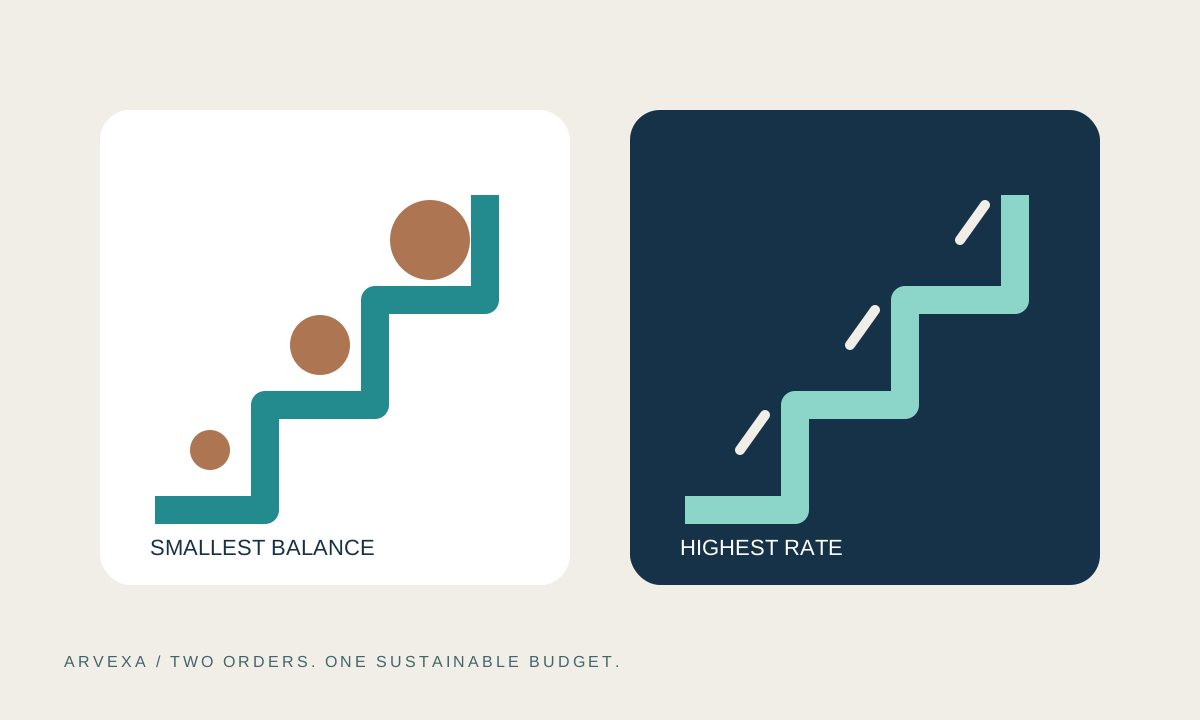
  • Two ordered staircases representing smallest-balance and highest-interest payoff priorities.
    Managing payments

    Debt Snowball vs. Avalanche: Pick a Payoff Plan You Can Maintain

    One approach prioritizes quick account wins; the other targets interest costs. Both depend on an affordable budget and consistent payments.

    Published October 25, 20263 min readChecking reading status...
  • A circular payment path beside a statement showing interest and principal portions.
    Managing payments

    Why Credit Card Minimum Payments Can Keep You in Debt

    Paying on time matters, but the minimum is not designed around your preferred payoff date. Your statement can help expose the difference.

    Published October 25, 20263 min readChecking reading status...
Arvexa Financial

Arvexa Financial helps everyday people find the right financial path, from personal loan offers to debt relief and money education, with clear guidance, professional support, and a straightforward first step.

Your Choice, Always: Comparing loan offers or reviewing other options never obligates you. We do not pressure any specific outcome. Any action is solely the customer's independent decision.

Partnered with ACDR-Accredited Debt Relief Providers

Arvexa agent certificationAll agents OCCAM CFHA certifiedConsumer Financial Hardship Advocate
(888) 901-6908

Explore

  • About
  • Loan Options
  • Debt Relief
  • How It Works
  • Finance Education
  • Blog
  • FAQ

Legal

  • Privacy Policy
  • Your California Privacy Choices
  • Terms
  • Disclosures
  • Do Not Sell or Share My Personal Information / Your Privacy Choices

Loan marketplace powered by Engine by MoneyLion (ML Enterprise Inc., formerly Even Financial), NMLS #1475872. Arvexa Financial and Engine are not lenders. Participating lenders make credit decisions and set final loan rates and terms.

Arvexa Financial is not a lender, law firm, or tax advisor. We are a consumer-focused financial marketplace that connects people with personal loan offers, debt relief options, and educational resources with clarity and integrity. Loan offers, approval, rates, and terms are determined by participating lenders. Independent third-party debt relief providers may offer services if a customer separately chooses to proceed. Outcomes vary, and debt resolution programs are not available in all states.

© 2026-2027 Arvexa Financial LLC & AuraLogic Solutions. All rights reserved.