Does Debt Relief Hurt Your Credit? The Honest Timeline
Settlement usually hurts credit for a while — from missed payments and settled accounts, not from enrolling itself. Here is how the timeline actually works.
What to take away
- Missed payments and account reporting drive much of settlement's credit impact.
- Negative marks can remain even after a balance is resolved.
- No provider can guarantee a recovery date or a specific score increase.
Short answer: settlement usually does, at least for a while. The honest version is longer, because the damage does not come from one place, and the timeline does not run the same way for everyone.
What actually affects your credit report
Enrolling in a program, by itself, is not what appears on a credit report. What appears is what happens to the accounts: missed payments while savings build, accounts reported as delinquent or charged off, and eventually accounts reported as settled for less than the full balance. That sequence is where most of the score damage comes from. If you are already behind on payments, some of that damage is already happening before any program starts — which is one reason settlement is usually discussed only when full repayment is not realistic.
What happens after an account is settled
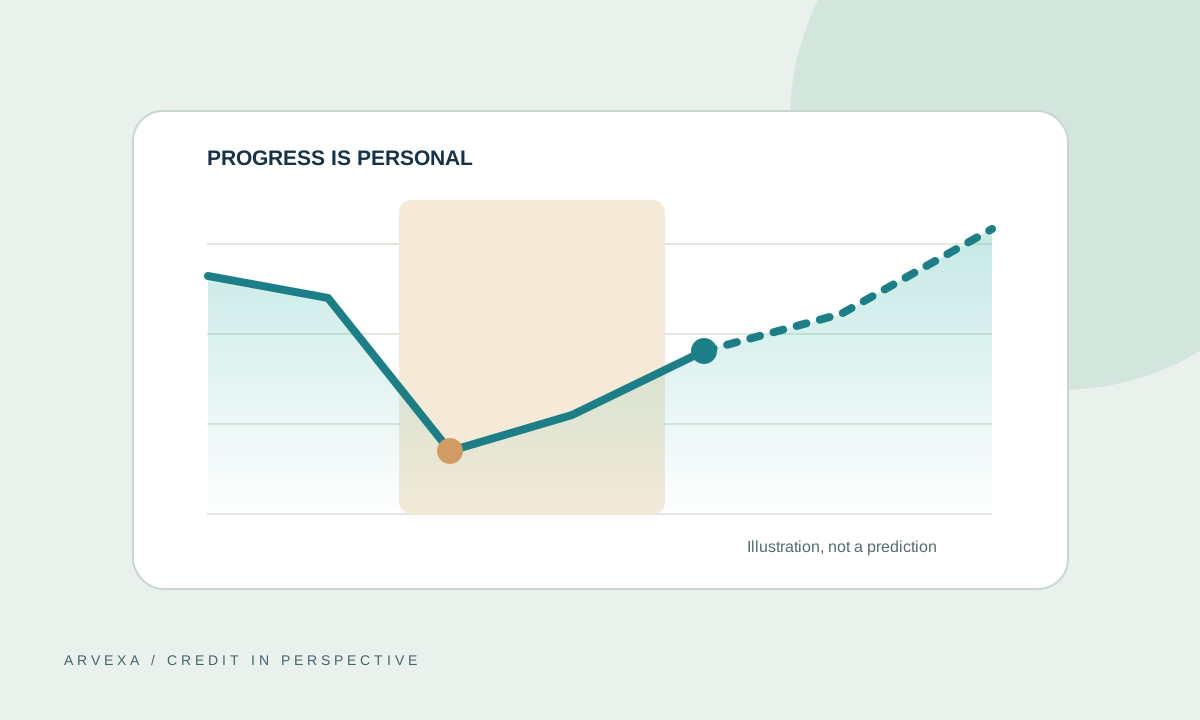
What happens after depends on what you do next. Once accounts are settled and reported with a zero balance, the ongoing damage from those accounts stops growing, but the history does not vanish. Settled and delinquent marks generally remain on a report for up to seven years from the original delinquency. Scores can begin to recover as settled balances clear and new on-time activity builds, but no one can promise a recovery date or a point total — recovery depends on the rest of your credit file, whether you take on new debt, and whether you keep every other payment current.