Rebuilding Credit After Debt Settlement: A Practical Checklist
Resolving balances is a milestone, not an instant credit reset. Focus on accurate reporting, stable payments, and avoiding new unaffordable debt.
What to take away
- Settlement does not erase accurate negative account history.
- Dispute factual errors with supporting records rather than paying for guaranteed deletion.
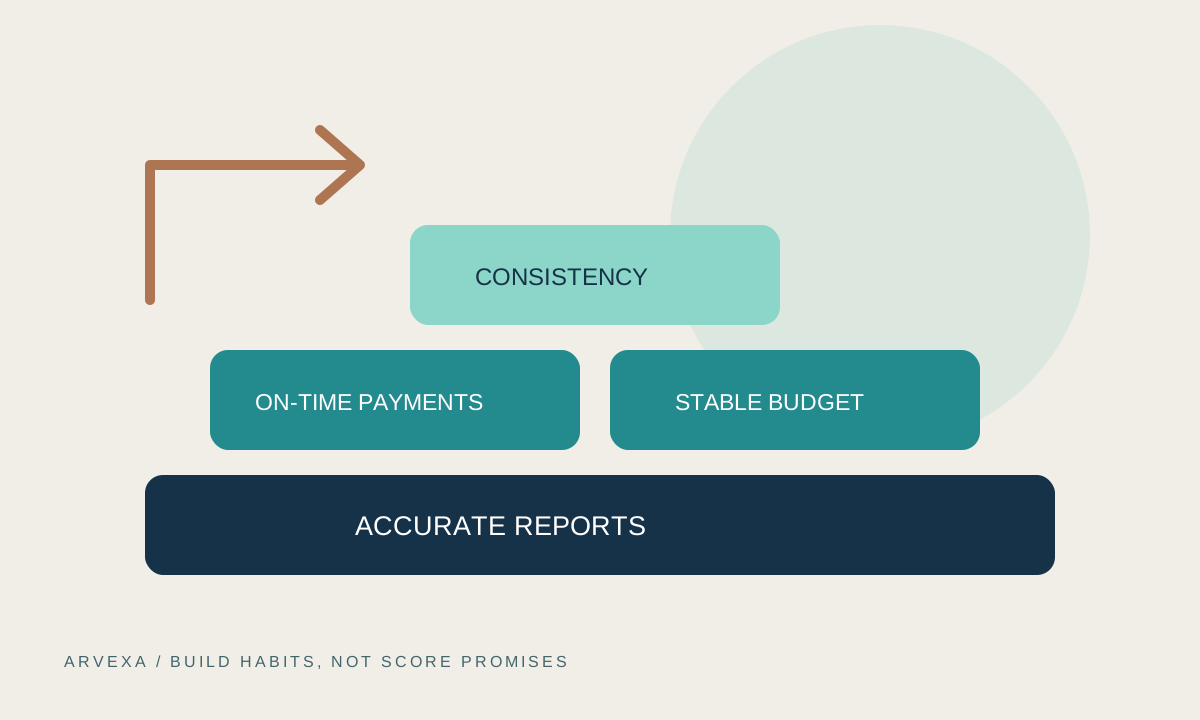
- Build stable habits without taking on debt solely to chase a score.
Finishing a settlement can reduce the pressure of unresolved balances, but it does not reset your credit file. Payment history, account status, other debts, and new activity all continue to matter. A practical rebuilding plan focuses on accurate information and sustainable habits rather than buying a promised score increase or assuming recovery will happen by a particular month.
Check the reports against the settlement records
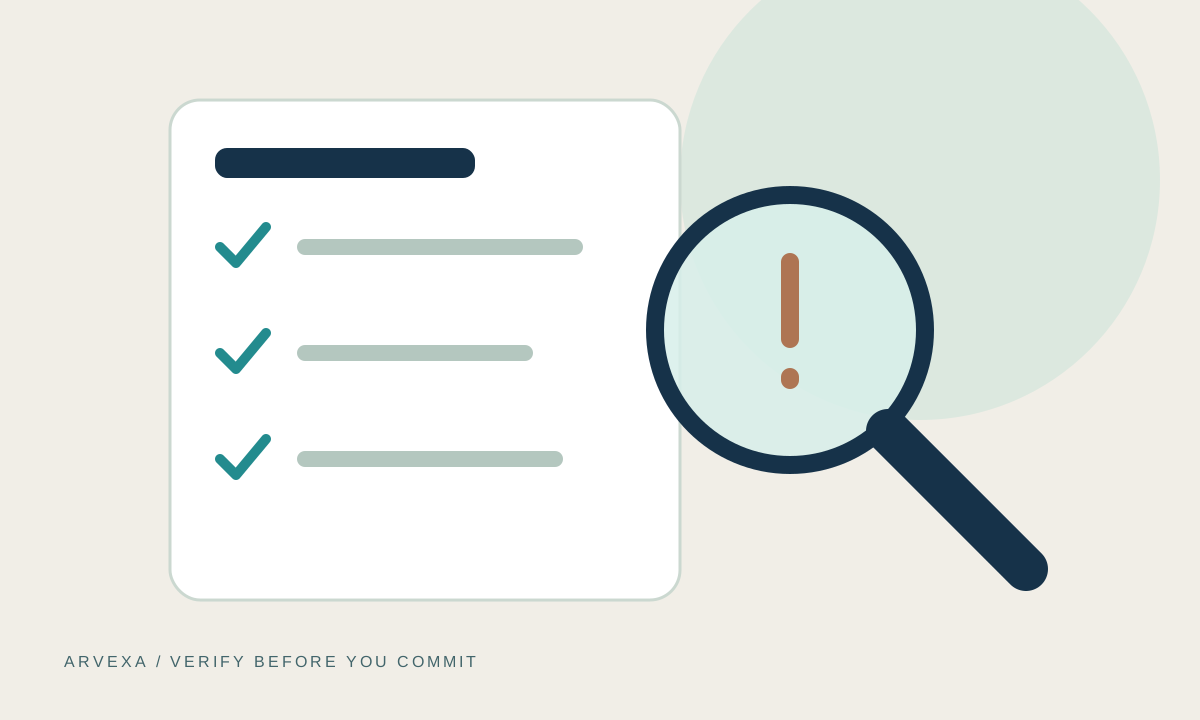
Obtain your credit reports through verified channels and review each resolved account. Compare reported balances and status with the written agreement and proof of payment. Reporting can take time, and a paid settlement does not require the history to look like an account always paid as originally agreed. A factual error and an accurate negative entry are different things.
If something is wrong, dispute the specific information with the relevant credit reporting company and, when appropriate, the company that furnished it. Explain the error and provide copies of supporting records. Preserve originals and delivery evidence. Do not file blanket disputes asserting that every negative account is inaccurate when that is not true.