Sued for Credit Card Debt? Start With the Court Deadline
A collection lawsuit is not just another collection letter. Prioritize the response date and qualified legal help before comparing repayment programs.
What to take away
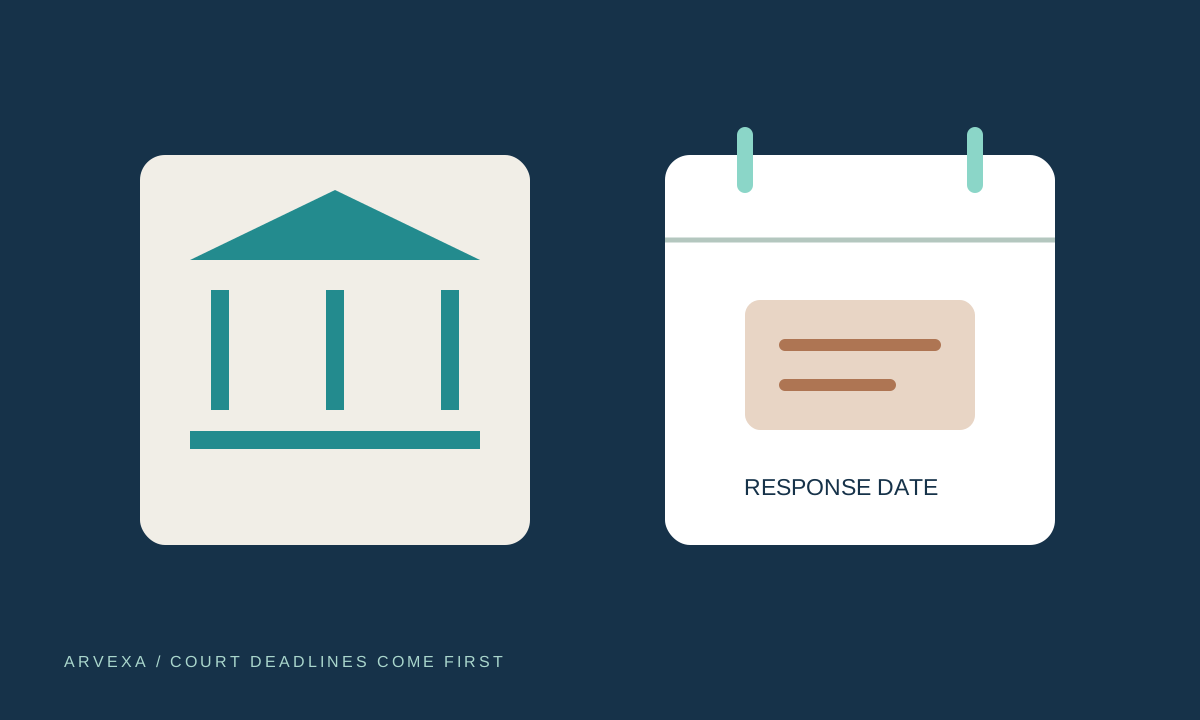
- Read the court papers and act by the applicable deadline.
- Ignoring a lawsuit can lead to a default judgment and stronger collection remedies.
- Arvexa does not provide legal representation or guarantee lawsuit protection.
If you receive court papers about credit-card debt, the first task is not choosing a debt-relief company. It is understanding the response deadline and finding appropriate legal help. A lawsuit has procedures separate from ordinary collection calls. Even if you believe the balance is wrong or the debt is not yours, ignoring the papers can make the situation harder to resolve.
Read the papers and verify the case
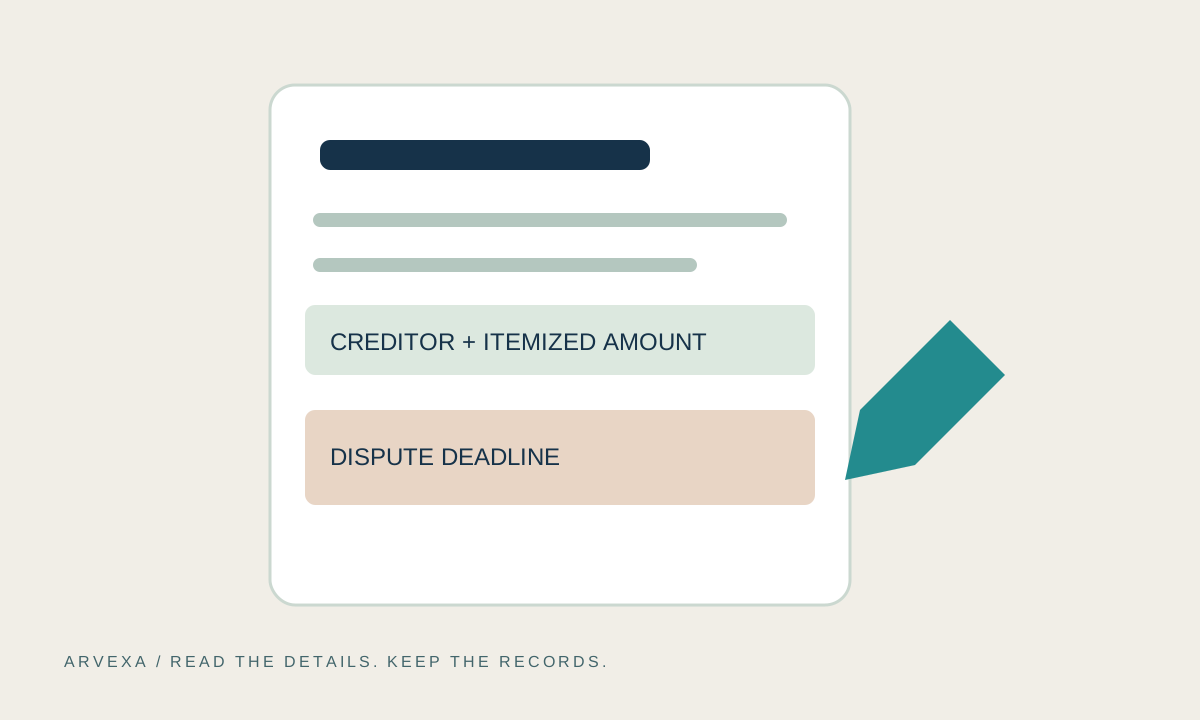
Identify the court, case number, parties, claimed amount, and response instructions. Use the court's independently verified contact details if you need to confirm that the case exists. Do not assume an email or caller accurately describes a lawsuit. Keep the envelope and service information along with the documents because timing and delivery may matter.
The CFPB advises responding by the date specified in the court papers, personally or through a lawyer. Responding does not necessarily mean admitting the debt. The correct filing, defenses, and deadlines depend on jurisdiction and facts, so a generic internet form should not substitute for qualified advice.