Debt relief is not one product. Learn how settlement, debt management plans, consolidation loans, and bankruptcy differ — and what to get in writing first.
Different paths solve different problems. Start by understanding the tradeoffs.
The short version
What to take away
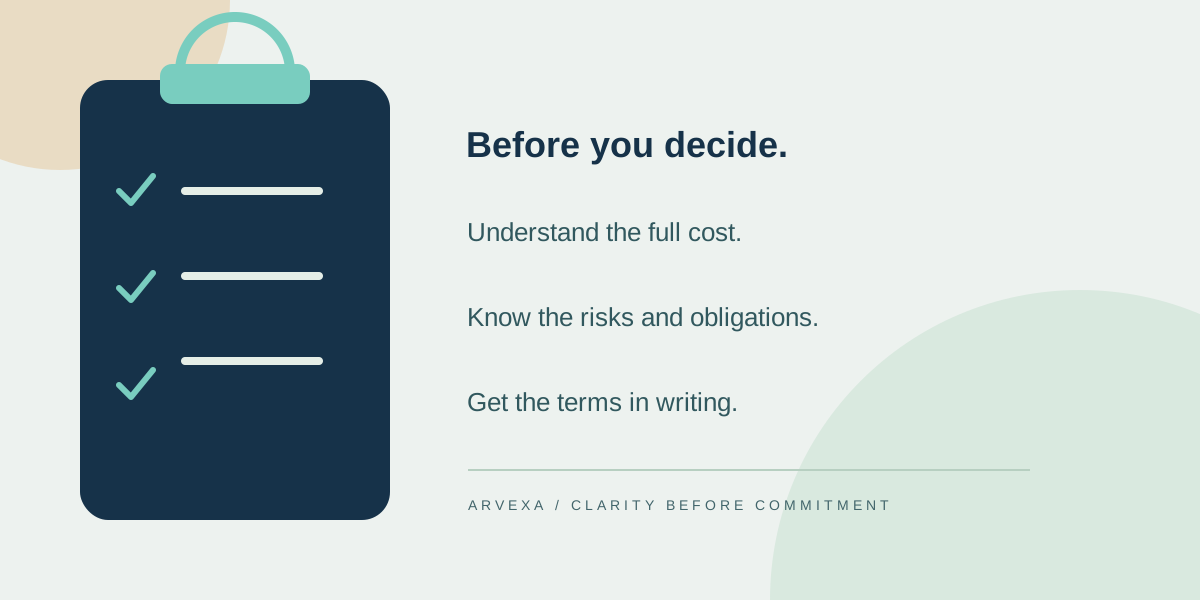
Debt settlement, consolidation, counseling, and bankruptcy are different tools.
Affordability and risk matter more than a headline promise.
Get fees, timelines, and obligations in writing before you enroll.
Debt relief is not one product. It is an umbrella term for different ways of dealing with unsecured debt you can no longer manage on minimum payments — most commonly credit cards, medical bills, and unsecured personal loans. Secured debts, like a mortgage or an auto loan, work differently because the lender holds collateral, and they are generally not part of these programs.
The five main paths, explained
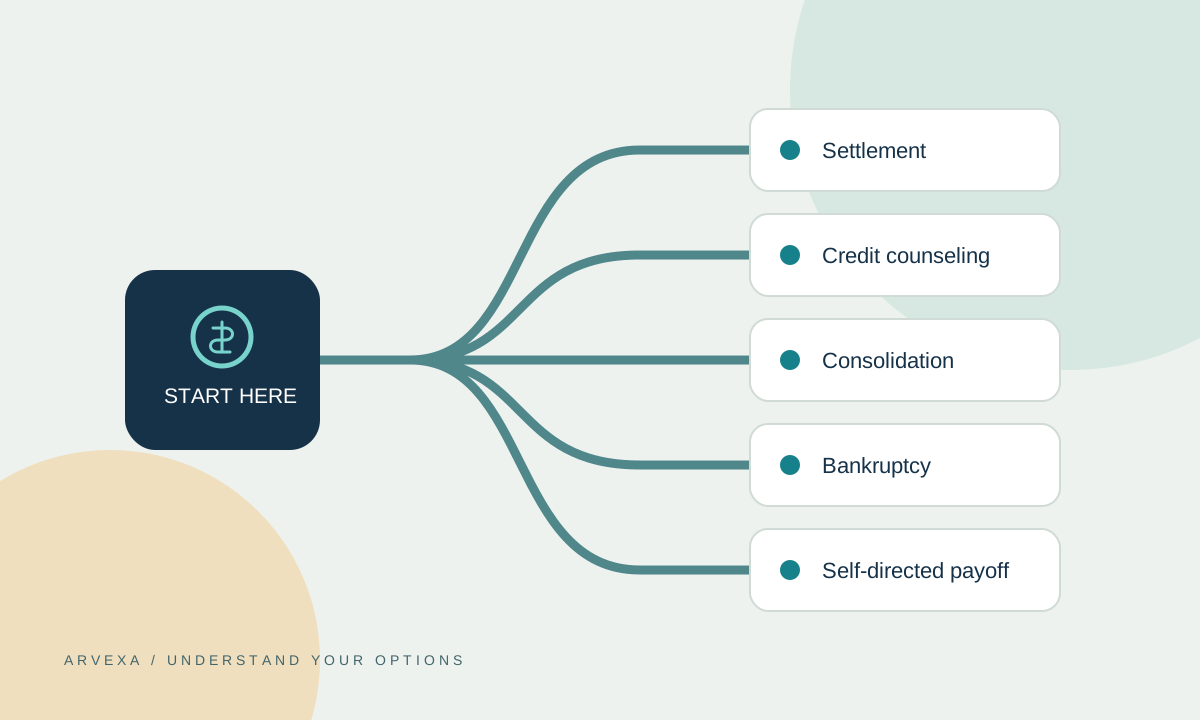
Debt settlement: A provider negotiates with creditors to accept less than the full balance on an enrolled account. You make one monthly program deposit into a dedicated savings account, and as funds build, settlements are offered account by account. Creditors are not required to accept an offer.
Debt management plan (DMP): A nonprofit credit counseling agency arranges lower interest rates and one monthly payment. You repay the full principal, usually over three to five years.
Debt consolidation loan: A new loan pays off old debts. You repay the new loan in full, with interest. This is borrowing, not settlement.
Sending every spare dollar to debt can feel productive—until the next surprise bill. A practical framework helps you weigh interest costs against financial breathing room.
4 min readChecking reading status...
Scams & consumer protection
Bankruptcy: A court process that can discharge or restructure debts. It carries the most serious long-term credit consequences and requires legal advice.
Self-directed payoff: Paying debts down yourself, often by ordering them by interest rate or balance. This only works if the payments fit your budget.
A useful checkpoint for any financial decision, no matter which path you explore.
How timing and affordability fit together
Settlement programs most commonly run about 24 to 60 months, depending on how much debt is enrolled, how much you can deposit each month, and how creditors respond. Some accounts settle early; others take much longer. Nothing about a timeline is guaranteed, and a program only works if the monthly deposit is sustainable for its full length.
What to ask before you enroll
Before enrolling in anything, get the full terms in writing: which debts are included, what the monthly deposit covers, how and when fees are earned, what happens if a creditor refuses to settle, and what happens if your income changes. If a provider will not put that in writing, that is a reason to walk away.
Checking your reading status...
Marked read when you reach this ending. Saved only in this browser, with no login. Clearing site data removes your reading history. Marking unread keeps it unread for the rest of this visit.